Hibernation time
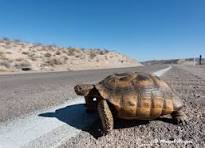
Mojave tortoises hibernate (or brumate) in California to survive extreme temperatures, lack of food, and scarce water during winter (and sometimes summer heat), using deep burrows to regulate body temperature, conserve energy, and reduce metabolism when it’s too cold or hot, allowing them to survive the harsh desert conditions. This dormancy, typically from November to March, is a crucial adaptation for this cold-blooded reptile.
Why They Hibernate (Brumate):
- Temperature Regulation: As ectotherms (cold-blooded), they can’t generate their own heat; burrows keep them warmer in winter and cooler in summer, avoiding lethal extremes.
- Energy Conservation: Inactivity lowers their metabolic rate, helping them survive when food (moist plants) is scarce.
- Food Scarcity: Winter brings few fresh plants, so they enter dormancy to wait for spring rains and new growth, explains San Bernardino County.
How They Do It:
- Burrows: They dig extensive burrows, using them as shelters year-round, say San Bernardino County
- Brumation: The winter dormancy is technically called brumation, a reptile’s version of hibernation, which is triggered by cold and darkness, notes
When They’re Active:
- They are most active in spring after rains, foraging for plants and breeding, says San Bernardino County.
Posted on December 22, 2025, in Uncategorized. Bookmark the permalink. Leave a comment.


 Sounds of Silent Spirits
Leave a comment
Comments 0