
FERAL CAT SHELTERS EASY PEASY

Best Materials

  • For Bedding/Insulation:
    • Straw: The top choice. It’s dry, repels water, provides insulation by trapping air, and allows cats to burrow, reflecting their body heat back. STRAW – NOT HAY – FOR FERAL CAT SHELTERS
    • Straw and hay may look similar, but they’re very different when it comes to insulating your feral cat shelters. Hay is used for animal feed—it draws and holds moisture, which you don’t want in your cat shelter. Hay, because it’s moist, can become moldy and some cats are reportedly allergic to hay and can develop nasal sores. Straw, the dry leftover stalks from harvested crops, repels moisture, making it ideal for keeping cats and other animals warm and comfy all winter long. Straw resists the wet and keeps a shelter warm, and is the best choice for insulation and bedding. Straw is less prone to mold or rot, and does not carry risk of an allergic reaction by the cats.
    • Straw usually comes in bales, but you only need a fraction of a bale to line your cat shelter. Consider sharing a bale with other caregivers or surround your cats’ shelter with bails of straw.
    • OTHER BEDDING OPTIONS
    • DO NOT USE folded newspaper, blankets, towels, carpeting, fake sheepskin, or any material that holds moisture. Cats can only lie on top of these materials so they actually draw out body heat and defeat the purpose by making the cat colder.
    • Some caregivers use Mylar thermal safety blankets as bedding. Mylar is a product that retains body heat. Mylar blankets are inexpensive and can be purchased at places like Walmart and survival and outdoor stores.
    • You can use hardwood shavings (not cedar or pine) but keep in mind that softwood shavings are not suitable due to possible toxicity.
  • For Shelter Structure:
    • Styrofoam Coolers/Totes: Excellent for insulation; use them as the core shelter, often with added foam insulation panels.
  • For Heat (Optional):
    • Pet-Specific Heated Pads/Beds: Low-wattage, safe options like K&H or Lectro pads for heated shelters. PIG BLANKETS ARE ALSO EXCELLENT. CHECK WITH A FEED STORE OR ONLINE FARM SUPPLIES.
  • SIZE
  • For shelters, size matters. The shelter must trap the cats’ body heat to warm the shelter’s interior. If the shelter is too large, it will be difficult for the cat’s body heat to keep the space warm. Cats give each other body warmth and will huddle together in the cold. A space just big enough for three to five cats is best.
  • A good shelter size is at least  2 x 3’ and at least 18” high. Larger shelters are not necessarily better, since heat disperses quickly, leaving the inside as cold as the outside.

MAINTENANCE

Shelters should be checked regularly to ensure their optimum quality and function.  When deciding what kind of shelter to use, remember that some of the low-cost suggestions will need to be checked and replaced more frequently than some of the more permanent and professionally built shelters. You must be able to change insulating materials regularly to ensure they stay dry.

DOORWAY

  • Make sure that the door is only big enough for cats. The door should be 6-8″ wide to keep out wildlife and larger predators.
  • The opening should have a flap or an L-shaped entryway to keep cold air from blowing in. If neither option is possible, make sure the door faces away from prevailing winds or faces a wall.
  • Put the door at one end so the cats can huddle at the other end out of the wind.
  • As the cats grow accustomed to their new shelter, it may be desirable to add additional protection from wind or other elements by placing a door flap made of heavy plastic or vinyl to each entrance of your roughneck home.
  • Some cats will resist entering a shelter with only one exit as it puts them in a vulnerable position. You may need to include two entrances in your cat shelter so that predators and bully cats can’t easily trap them in their homes.

PROTECTION FROM THE ELEMENTS

  • You can ensure that the cats are protected by making shelters waterproof, windproof (especially in cold climates), and elevated off the ground.
  • Discarded pallets from shipping firms or hardware, farm supplies, or pet stores are a good option for elevation.
  • The space beneath the shelters should be blocked from drafts. Insulation is a good material to use.
  • Consider surrounding your cats’ shelter with bails of straw.

TIP: One way to break the wind and create more protection from rain is to place two shelters facing each other, and then place a board on top, spanning the two roofs.

CAMOUFLAGE

Shelters should blend in with their surroundings so that they are not obtrusive to neighbors. Cover them with leaves or other brush or paint them a dark color. Moving shelters into wooded areas away from buildings, parking lots, and other high-traffic areas is also a good idea for cat safety and to avoid neighbor complaints.

DETER WILDLIFE

Wildlife may decide to make their home in the shelters you provide for the cats. Reducing the shelter door to an opening 6” wide may solve this predicament. Do not use repellants because most of them will repel the cats as well. Some caregivers have resorted to providing additional shelters, accepting that some will be used by wildlife.

ROUGHNECK HOMES

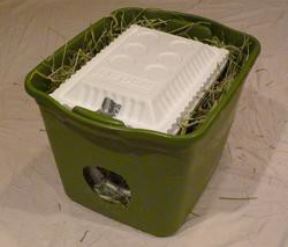
Rubbermaid Roughneck totes are a popular way to provide a safe and secure shelter for feral cats. Rubbermaid Roughneck is preferable because it is durable. This shelter is very effective and easy to make. You can buy large pieces of Styrofoam insulation and cut to size or use a Styrofoam cooler. Then simply add straw to help keep cats warm.

ROUGHNECK OPTION #1 (holds 1-2 CATS)

cat-shelter3

The shelter utilizes the 18-gallon Rubbermaid Tote and is most suitable for one cat but may hold two depending on the cats.

For 2+ cats, simply replicate these instructions using a 36-gallon tote and a larger Styrofoam cooler.

TIP: Having difficulty cutting the plastic? Try blowing hot air from a hairdryer on the area where you plan to cut. This softens plastic and makes it easier to cut through.

ROUGHNECK OPTION #2 (holds 2-3 CATS)

cat-shelter2

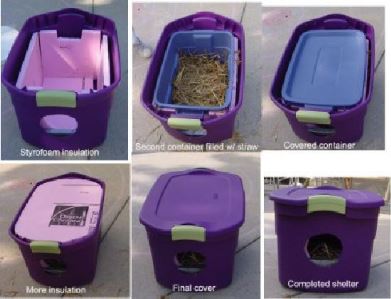
The shelter utilizes a 36-gallon Rubbermaid Roughneck latching tote for the outer box and an 18-gallon Rubbermaid Roughneck for the inner box. It is suitable for 2-3 cats.

Step 1 – Line inside of 36-gallon tote with Styrofoam insulation (or a large cooler)
Step 2 – Insert 18-gallon container and fill bottom with straw (do not use hay)
Step 3 – Cover 18-gallon container with container top
Step 4 – Add more Styrofoam insulation over the top of 18-gallon container
Step 5 – Final Latching Cover

TIP: Having difficulty cutting the plastic? Try blowing hot air from a hairdryer on the area where you plan to cut. This softens plastic and makes it easier to cut through.

cat-shelter1

ROUGHNECK OPTION #3

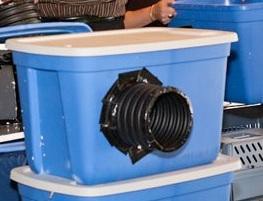
Some versions of the Roughneck Home add tubing at the entrance to help block wind, snow or rain. Be sure to make the tubing entrance large enough for all cats to fit through.

We have adult cats that need placing.

As of Christmas 2025 we have many adult cats that need homes. If you are want any information please reach out and call us directly at 760-248-6427. Leave a message by phone we will return your call with in 48 hours, or call us back. You can DM on our Facebook page too.

No obligation, any questions are encouraged about the cats. AI generated cats. Although we have many colors and shapes to choose from. Elderly woman has passed away leaving them in real need of placement.

Why Adopt from your Animal Shelter?

By adopting a pet from an animal shelter or a rescue group, you ensure that you aren’t supporting the inhumane commercial breeding facilities (e.g., puppy mills) that supply pet stores and sell pets online. You are doing your part to fight pet overpopulation and save the lives of homeless animals.

Introduction:

Adopting a rescue dog can be a rewarding experience, but it also requires patience, understanding, and preparation. One guideline to help in this process is the 3-3-3 rule, which provides a structure for adjusting to life with a new furry friend.

Understanding the 3-3-3 Rule for Adopting a Rescue Dog

The 3-3-3 rule is a guideline for transitioning a rescue dog into their new home and helping them to settle in. It suggests that the first three days should be used for adjusting to their new surroundings, the next three weeks for training and bonding, and the first three months for continued socialization and training.

What is the 3-3-3 Rule and Why is it Important?

The 3-3-3 rule provides a roadmap for the adoption process and helps ensure a smooth transition for both the dog and the owner. It also helps set realistic expectations and prevents common mistakes such as overloading the dog with too much too soon. By following the 3-3-3 rule, owners can give their rescue dog the time and support they needs to adjust and become a well-behaved member of the household.

First Three Days:

Give your rescue dog time to adjust to their new surroundings and get used to you. Limit exposure to new sights, sounds, and experiences, and provide a quiet and safe space for the dog to rest and recover. Start your daily routine right away but do not force interaction. Set your boundaries early while still giving them space.

Be patient & stay positive!

Next Three Weeks:

Focus on training and bonding with your rescue dog. Start with basic obedience commands, such as sit, stay, and come, and gradually increase the difficulty of the exercises. Take your dog on daily walks and spend time playing and challenging your new pup. At this point they may be testing the boundaries so don’t get discouraged.

Praise every success!

First Three Months:

Continue socializing and training your rescue dog, and expose them to a variety of experiences and environments. Take them to the park, go on car rides, and let them interact with other dogs and people while being mindful of their unique personalities and limitations with strangers. This will help build confidence and strengthen your bond.

Continue building your bond!

Low cost Spay and Neuter San Bernardino Area

For low-cost spay/neuter in San Bernardino, check the Humane Society of San Bernardino Valley (HSSBV) for affordable clinic rates (around $60-$80+), look into San Bernardino County’s Spay/Neuter Voucher Program for $200/cat & $100/dog assistance in unincorporated areas, and contact The Paw Mission for free mobile clinic events in various county spots with a deposit. Other options include clinics in Barstow (ABC Animal Clinic) and Ontario (Ontario Spay & Neuter), but always verify current pricing and eligibility directly. 

Key Resources

Humane Society of San Bernardino Valley (HSSBV): Offers low-cost services with tiered pricing for weight; great for general pet owners.

San Bernardino County Animal Care (Vouchers):

Financial help for residents in unincorporated areas (Big Bear Lake too) via vouchers for dogs/cats. 

The Paw Mission: 13229 7th Place, Yucaipa, Ca 92339 and is open by appointment only

Partners with the County for FREE spay/neuter/vaccines in unincorporated areas; requires a $20 refundable deposit. (please confirm Free spay/neuter as funding is always changing).

City of San Bernardino Programs:

Check the city’s Animal Services page for specific free events with The Paw Mission.

How to Find & Book

  1. Check Eligibility: For County programs, confirm your address is in an unincorporated area or eligible city (check SB County Animal Care’s map). https://animalcare.sbcounty.gov/serviceareas/

Verify Costs:

Prices change! Call Humane Society of San Bernardinohttps://hssbv.org or other local vets like Arrowview Animal Hospital for current rates.

Book Early:

Free and low-cost spots fill up fast, especially with The Paw Mission’s mobile events. https://www.thepawmission.org

https://www.thepawmission.org/veterinary-services.html they also do vaccines.

Example Local Clinics

Remember to always confirm eligibility, pricing, and appointment requirements directly with the provider before your visit!

Hibernation time

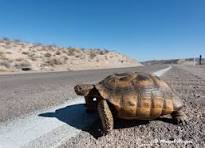
Mojave tortoises hibernate (or brumate) in California to survive extreme temperatures, lack of food, and scarce water during winter (and sometimes summer heat), using deep burrows to regulate body temperature, conserve energy, and reduce metabolism when it’s too cold or hot, allowing them to survive the harsh desert conditions. This dormancy, typically from November to March, is a crucial adaptation for this cold-blooded reptile. 

Why They Hibernate (Brumate):

  • Temperature Regulation: As ectotherms (cold-blooded), they can’t generate their own heat; burrows keep them warmer in winter and cooler in summer, avoiding lethal extremes.
  • Energy Conservation: Inactivity lowers their metabolic rate, helping them survive when food (moist plants) is scarce.
  • Food Scarcity: Winter brings few fresh plants, so they enter dormancy to wait for spring rains and new growth, explains San Bernardino County

How They Do It:

  • Burrows: They dig extensive burrows, using them as shelters year-round, say San Bernardino County
  • Brumation: The winter dormancy is technically called brumation, a reptile’s version of hibernation, which is triggered by cold and darkness, notes

When They’re Active:

  • They are most active in spring after rains, foraging for plants and breeding, says San Bernardino County. 

    Exciting changes around the rescue

    Welcome to our reptile and exotic bird rescue site. We have always been a 501 (3) C charity that focused on non venomous reptiles, with that being said, our rescue efforts have also included: horses, donkeys, cows, goats, chickens, cats and dogs.

    As we continue our work we are focusing on our strengths, building engagement rich natural enclosures for reptiles, tortoises, and exotic birds, We work with local animal services to assist in housing and rehabilitating the animals that need us.

    Follow our blog to stay up to date and please join the team by donating, Your small financial gift goes a long way to feeding these hungry tortoises.

    Is a Sulcata Tortoise the right reptile for you?

    Beautiful Mojave Tortoises

    How big does a Mojave Desert Tortoise get?

    Mojave Desert Tortoise Habitat & Management Information - LandPKS

    Mojave Desert tortoises males are larger than females and have curved horns on the lower shell, under the neck. Mature tortoises weigh between 8-15 lbs/3.6-7 kg, are 9-15 in/23-38 cm long, and can live between 30 and 50 years, though some individuals can live to be 80 years old.

    Acclimating your new cat into your Home

    Last night I had an emergency call to pick up at cat. I met the folks at a Jack in the Box parking lot for the exchange.  It was near midnight before the Cat, Minny, and I arrived safely at my place.  With the help of my husband we had a very large dog kennel set up for her with small potty box, water and food, and a bed.  Our house hold has four cats so we knew this was the best and safest way to acclimate her to the other cats and vise versa.

    We have a dedicated indoor cat room, that is a central them to our home.  The room also has an attached enclosed outdoor area, (safe from predators), connected by a cat door.  We of course can access that outdoor area by a passenger door so we can clean all the cat boxes, bedding and play area.

    In the past we have released feral cats directly into the mix as it was our only option.  But we don’t recommend it in general.  Minny will stay in the large dog crate most likely until tomorrow morning. We will simply open the crate door and allow her to do what is most comfortable for herself.  We never release a cat until we know our cats are fine with the new member of our colony.

    The following information, provided by PAWS, is excellent for any person who is thinking about adopting a new adult cat or even a kitten.

     Helping Your Cat Adjust to a New Home

    Adjusting to a new home can be a tense and frightening experience for a cat. Your patience and understanding during his initial adjustment period can do a lot to help your new cat feel at home.

    The ride home

    Riding in a car can be traumatic for cats. Your cat or kitten should be confined to a carrier during the ride home as well as during subsequent trips to the veterinarian. Do not let your new cat loose in a moving car or allow children to excite him. Do not leave the cat unattended in the car or stop to visit friends, shop, etc. Keep your cat in his carrier until you are safely inside your home.

    The new home

    Consider your companion’s past experiences. Your kitten may have been recently separated from his mother and litter mates. The kitten or cat has had to cope with the transition of a shelter and the stress of surgery. The adult cat may have been separated from a familiar home and forced to break a bond with human companions or other animals. Now he must adjust again to totally new surroundings.

    Allow your cat several weeks to adapt. During this period, the cat or kitten should be carefully confined indoors. He needs to get used to you as the provider of love, shelter and food. Be sure that all windows and doors are kept closed and that all screens are secure. A scared cat can easily get out of a high open window. PAWS strongly advocates keeping cats indoors for their entire lives, but if you choose to eventually let your new cat outside, it is imperative that he stay totally indoors for at least one month, and the new kitten until he is grown.

    It’s not uncommon for cats to display behavior problems during the first days in a new home, but these usually disappear over time. New cats and kittens often bolt under furniture. Some may spend hours or even days hiding. Sit and talk quietly to the cat. If you must take the cat out of his hiding place, carry him gently to a quiet protected area where he will feel secure. Be sure food, water and litter box are nearby.

    What can you do to train your cat to behave better around the home?

    Jackson Galaxy—a cat behaviorist with more than 20 years of experience, and the host of Animal Planet’s hit show My Cat From Hell—explains in his entertaining video The Best and Worst Ways to Train Your Cat:
    101 things to do with your dog.

    Finding things to do with your dog is important, and finding new things to do can take some extra time. Like kids, dogs become bored easily and can turn to undesirable behavior to relieve that boredom. Doing fun activities together not only strengthens your bond, but also provides physical and mental stimulation that will make your pet happy and less prone to mischief.

    Here’s a list of 101 things to do with your dog:

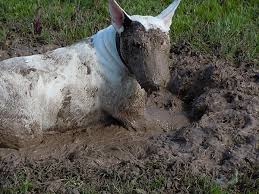
    dog in mud

    1. Go on a walking tour of your city.
    2. Throw your dog a birthday bash.
    3. Go shopping together in a pet-friendly store.
    4. Plan an overnight camping trip.
    5. Enjoy the simple pleasure of driving with the windows open or the top down.
    6. Dress up for Halloween and go trick-or-treating …
    7. … or take part in a Halloween pet parade.
    8. Curl up together for an afternoon nap.
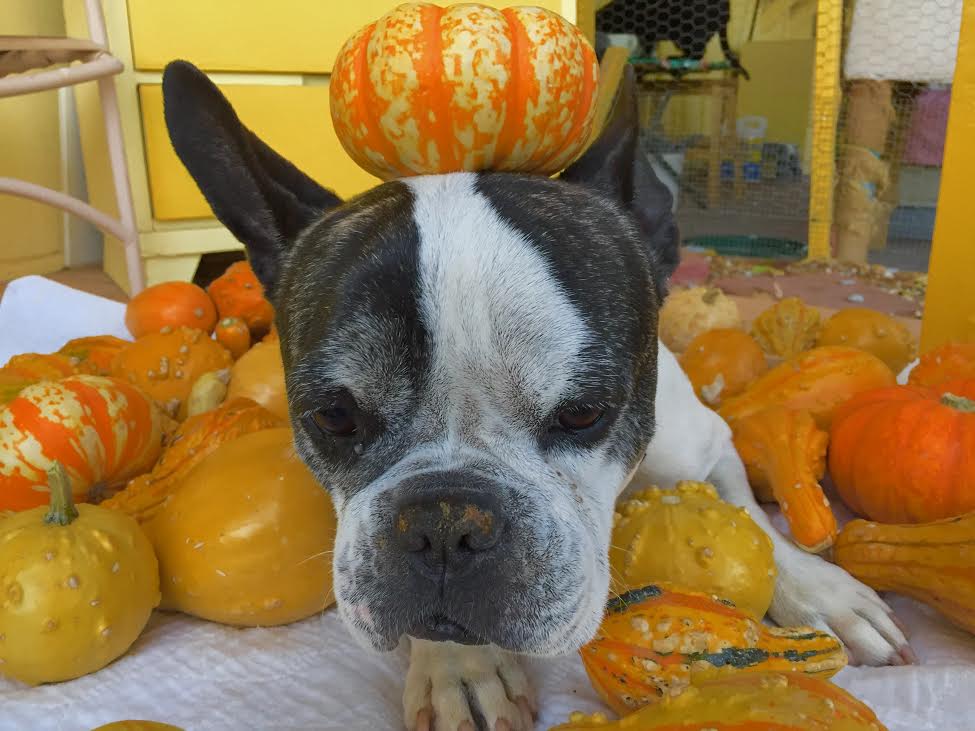
    9. Play a game of hide-and-seek.kobe-wan-gourd-4
    10. Take a road trip and visit a new city.
    11. Go to the beach and splash in the surf.
    12. Enjoy a day of swimming and exploring at the lake.
    13. Treat your dog to a spa day.
    14. Visit an off-leash dog park where your dog can romp with other dogs.
    15. Make a doggie playdate with a friend’s dog.
    16. Go on a bike ride together.
    17. Better yet, go bikejoring.
    18. Take your dog on a boat ride — and don’t forget the doggie life jacket.
    19. Go on a scenic wilderness hike.
    20. Give your dog a mani-pedi.
    21. Book a doga session and put a new spin on downward dog pose.
    22. Go for a run or jog together.
    23. Try rollerblading.
    24. Visit a wide-open field to let your dog run off leash and chase squirrels.
    25. Visit a pumpkin patch together.
    26. Snuggle up together in your favorite spot — just you and the dog — and relax.
    27. Sing to your dog. (He might try to sing with you!)
    28. Hold your dog while you dance.
    29. Better yet, try a canine freestyle routine, set to music.
    30. Play in the sprinklers.

      2012-05-12-14-34-14

      Board member Sam Patterson and Puppy Mill rescue Boo

    31. Play in the leaves.
    32. Frolic in the snow.
    33. Splash in puddles after the rain.
    34. Teach your dog a new trick.
    35. Play nose work games together.
    36. Play fetch.
    37. See if your dog can catch treats that you throw before they hit the ground.
    38. Fling a Frisbee to your dog.
    39. Chase each other and play tag.
    40. Play keep-away with a favorite toy.
    41. Play tug-of-war with an old sock.
    42. Eat on the patio at a dog-friendly restaurant.
    43. Go fishing together and put your dog in charge of guarding the bait.
    44. Go on a canoe trip.
    45. Visit a nursing home or hospital and cheer up patients.
    46. Take obedience classes to help your dog be a good citizen.
    47. Take an agility training class …
    48. … and then create a backyard obstacle course to practice what you’ve learned.
    49. Practice patience by balancing treats on your pet’s nose.
    50. Blow bubbles for your dog to chase.
    51. Take a day trip to visit friends or family.
    52. Go for a walk in the park with the whole family.
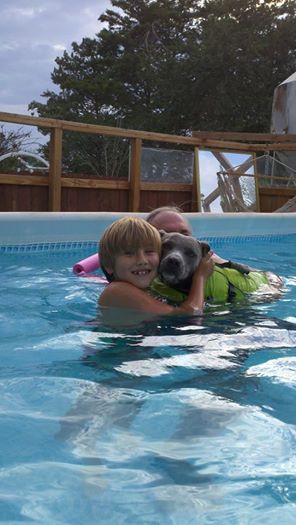
    53. Have a photo shoot and make your dog the star.Valentine in pool
    54. Make a silhouette portrait of your dog.
    55. Draw or paint your dog’s picture.
    56. Use finger paint and a canvas to unleash your dog’s inner Jackson Pollock.
    57. Wrestle with your dog. Just be sure to adjust the level of roughhousing to your dog’s size and temperament.
    58. Walk around your neighborhood and try to make doggie friends.
    59. Go on a dog-friendly cruise.
    60. Visit a national park.
    61. Take a trip to New York and stay in a posh hotel.
    62. Watch the Puppy Bowl together.
    63. Host your own backyard Puppy Bowl.
    64. Make homemade ice cream.
    65. Visit Starbucks and treat your dog to a Puppuccino.
    66. Let kids read to your (very calm) dog at the library.
    67. Make a puzzle for your dog to solve.
    68. Learn to surf together.
    69. Train to be a therapy dog team.
    70. Volunteer at an animal shelter and let your pup be an adoption ambassador.
    71. Go geocaching together.
    72. Learn to skateboard.
    73. Pay a visit to Doggywood.
    74. Jump on a trampoline.
    75. Order food at a drive-in restaurant.
    76. Make pupcicles to stay cool on a hot day.
    77. Go fly a kite together.
    78. Join a flyball team.
    79. Catch an Atlanta Braves game during their annual Bark in the Park event.
    80. Talk to your dog to build her vocabulary.
    81. Work on your clicker training skills. (Check out A Guide to Clicker Training for Dogs for a how-to.)
    82. Go for search and rescue training and certification.
    83. Give your dog a massage.
    84. Go dog sledding — you don’t even need snow!
    85. Make grooming time bonding time.
    86. Use toys to make bath time fun.
    87. Make homemade dog treats.
    88. Visit a winery that loves dogs.
    89. Learn canine CPR and first aid.
    90. Build sand sculptures at the beach. Let your dog tear them down.
    91. Take a trip to the world’s biggest pet store.
    92. Make paw print stepping stones.
    93. Take your dog to the office.
    94. Enjoy a stay at a pet-friendly bed & breakfast.
    95. Take an RV trip along Route 66 and find plenty of dog-friendly attractions and amenities along the way.
    96. Go to an outdoor concert.
    97. Introduce your dog to the joys of a ball pit.
    98. Cap off the day by vegging out together with your favorite dog-centric movie.
    99. Play a game of “Which hand?” to test your dog’s sense of smell.
    100. Play a piano duet.
    101. Read to your dog.valentine with gram cracker